Understanding Genetic Factors in Autism: Screenings and What Parents Should Know
October 27, 2025 4 mins read
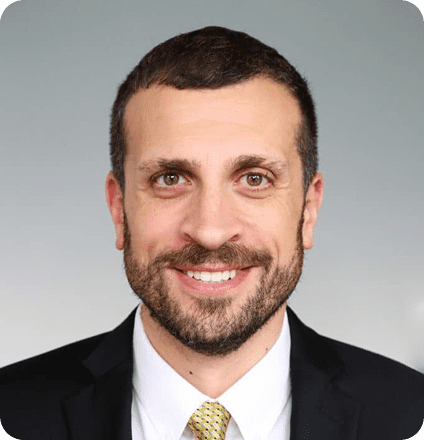
Richard D’Amato
Founder, CRNP, PMHMP, MBA
After your child is diagnosed, you may wonder if genetics play a role in Autism Spectrum Disorder (ASD) and what screenings can help identify potential causes. While the exact causes of autism are complex and not fully understood, research shows that genetic factors contribute significantly in many cases. Understanding these factors and the screenings available can provide clarity and guide your next steps. Here’s a comprehensive look at genetic issues linked to autism and the screening processes that can help, empowering you to support your child effectively.
Genetic Factors in Autism
Autism is influenced by a combination of genetic and environmental factors, with genetics playing a key role in 60-90% of cases, according to a 2019 study in Nature Reviews Genetics. Genetic contributions to autism can include:
- Single-Gene Mutations: Conditions like Fragile X syndrome, Rett syndrome, or tuberous sclerosis are caused by mutations in specific genes (e.g., FMR1 for Fragile X). These account for about 5-10% of autism cases and are often associated with distinct physical or developmental features.
- Copy Number Variations (CNVs): These are deletions or duplications of DNA segments, such as 16p11.2 or 22q11.2 deletions, which can increase autism risk. CNVs are found in about 10-20% of autistic individuals.
- Polygenic Risk: Many autism cases involve multiple genes with small effects, interacting with each other. These are harder to pinpoint but contribute to the spectrum’s variability.
- De Novo Mutations: These are new genetic changes not inherited from parents, often seen in genes like CHD8 or SCN2A. They’re more common in autistic children whose parents have no family history of autism.
Not all autism cases have a clear genetic cause, and environmental factors (e.g., prenatal exposures) can interact with genetics. However, identifying genetic factors can clarify diagnosis, guide interventions, and inform family planning.
Screenings for Genetic Issues
If you suspect your child may have autism or if they’ve received a diagnosis, genetic screenings can provide valuable insights. These tests are typically recommended when a child shows autism symptoms, developmental delays, or physical features suggestive of a genetic condition (e.g., seizures, unusual facial features). Common screenings include:
- Chromosomal Microarray (CMA):
- What it does: Detects CNVs and large chromosomal abnormalities.
- When it’s used: Often the first-line test for autism, recommended by the American College of Medical Genetics for children with ASD or developmental delays.
- What to expect: A blood or saliva sample is analyzed to identify missing or extra DNA segments linked to autism or related conditions.
- Fragile X Testing:
- What it does: Tests for mutations in the FMR1 gene, the leading single-gene cause of autism (found in 1-2% of ASD cases).
- When it’s used: Recommended for children with autism, especially if there’s intellectual disability or a family history of Fragile X.
- What to expect: A simple DNA test via blood or cheek swab confirms the mutation.
- Whole-Exome Sequencing (WES):
- What it does: Analyzes the protein-coding regions of all genes to identify rare mutations, like de novo changes.
- When it’s used: Used when CMA or Fragile X testing is inconclusive, especially in complex cases or when multiple conditions are suspected.
- What to expect: A blood or saliva sample is sequenced, often taking weeks for results. It’s more comprehensive but may not always identify a cause.
- Targeted Gene Panels:
- What it does: Tests a specific set of genes associated with autism or related conditions (e.g., Rett syndrome’s MECP2 gene).
- When it’s used: Useful when specific syndromes are suspected based on symptoms like seizures or regression.
- What to expect: Similar to WES, but focused on fewer genes, making it faster and less costly.
When and Why to Pursue Genetic Screening
Genetic screenings are not mandatory for an autism diagnosis, which is primarily based on behavioral assessments (e.g., ADOS-2). However, they’re recommended if:
- Your child has co-occurring conditions like epilepsy, intellectual disability, or physical anomalies.
- There’s a family history of autism or genetic disorders.
- You seek clarity on the cause or want to inform future family planning.
Screenings can identify treatable conditions (e.g., metabolic disorders in some genetic syndromes) or guide interventions. For example, a child with Fragile X might benefit from targeted therapies to address intellectual challenges. Our rapid diagnosis services can streamline access to these screenings, connecting you with specialists who interpret results and recommend next steps.
What to Expect and How to Prepare
Start by discussing concerns with your pediatrician, sharing specific observations (e.g., “My child has seizures and doesn’t speak at age 3”). They may refer you to a developmental pediatrician or geneticist.
Before testing, ask:
- Which test is most appropriate, and why?
- What will the results tell us, and how will they guide treatment?
- Are there costs or insurance considerations?
Results may confirm a genetic condition, suggest further testing, or be inconclusive. A genetic counselor can explain findings and discuss implications, including recurrence risks for future siblings.
Moving Forward with Support
Genetic screenings are a tool, not a definitive answer. Whether or not a genetic cause is found, early intervention—through therapies like ABA, speech, or occupational therapy—remains critical. When a genetic disorder may be suspected, RiseNow Autism Innovations can send your child to have appropriate testing done, to help target potential underlying genetic disorders. By understanding genetic factors, you can advocate for your child’s unique needs, helping them thrive in their own way.
About the Author
Richard D’Amato
Founder, CRNP, PMHMP, MBA
Inspired by his daughter’s experience with a delayed autism diagnosis, Richard shifted from engineering to nursing to improve early detection and care for children with autism. Now a Psychiatric Mental Health Nurse Practitioner and educator, he provides specialized care at Rittenhouse Psychiatric Associates and continues to advocate for families with compassion and expertise.